
What Are Your Belongings Worth? Selling, Donating, and Appraising as You Right-Size
For Families Weighing Whether to Sell, Donate, or Get a Piece Appraised
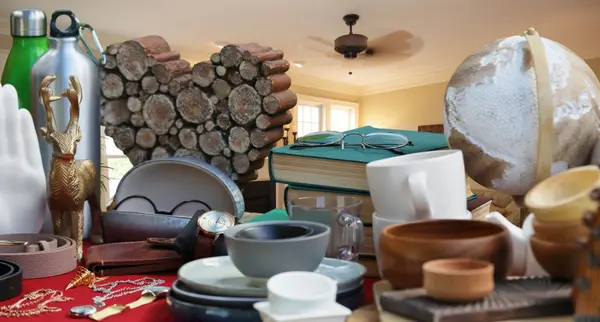
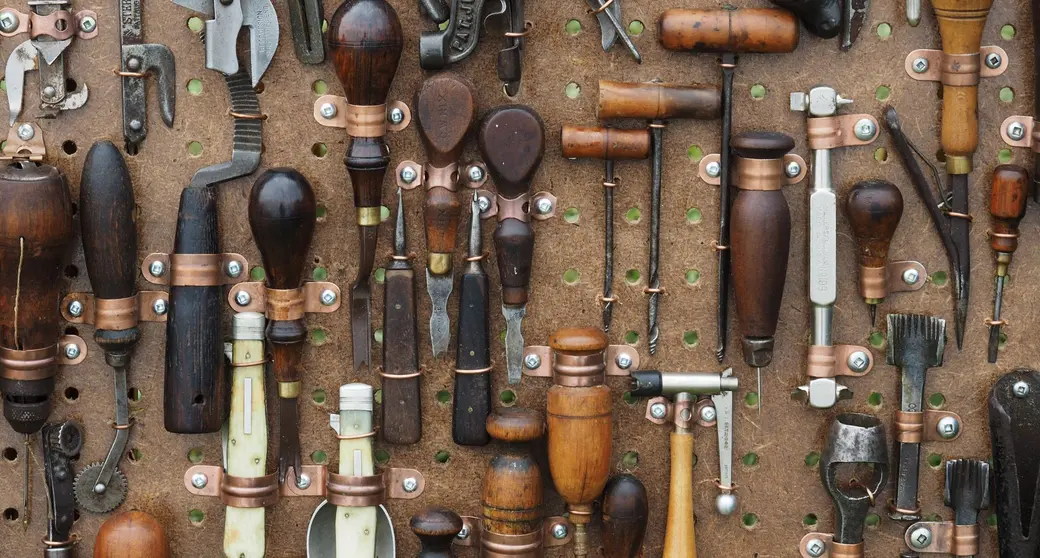
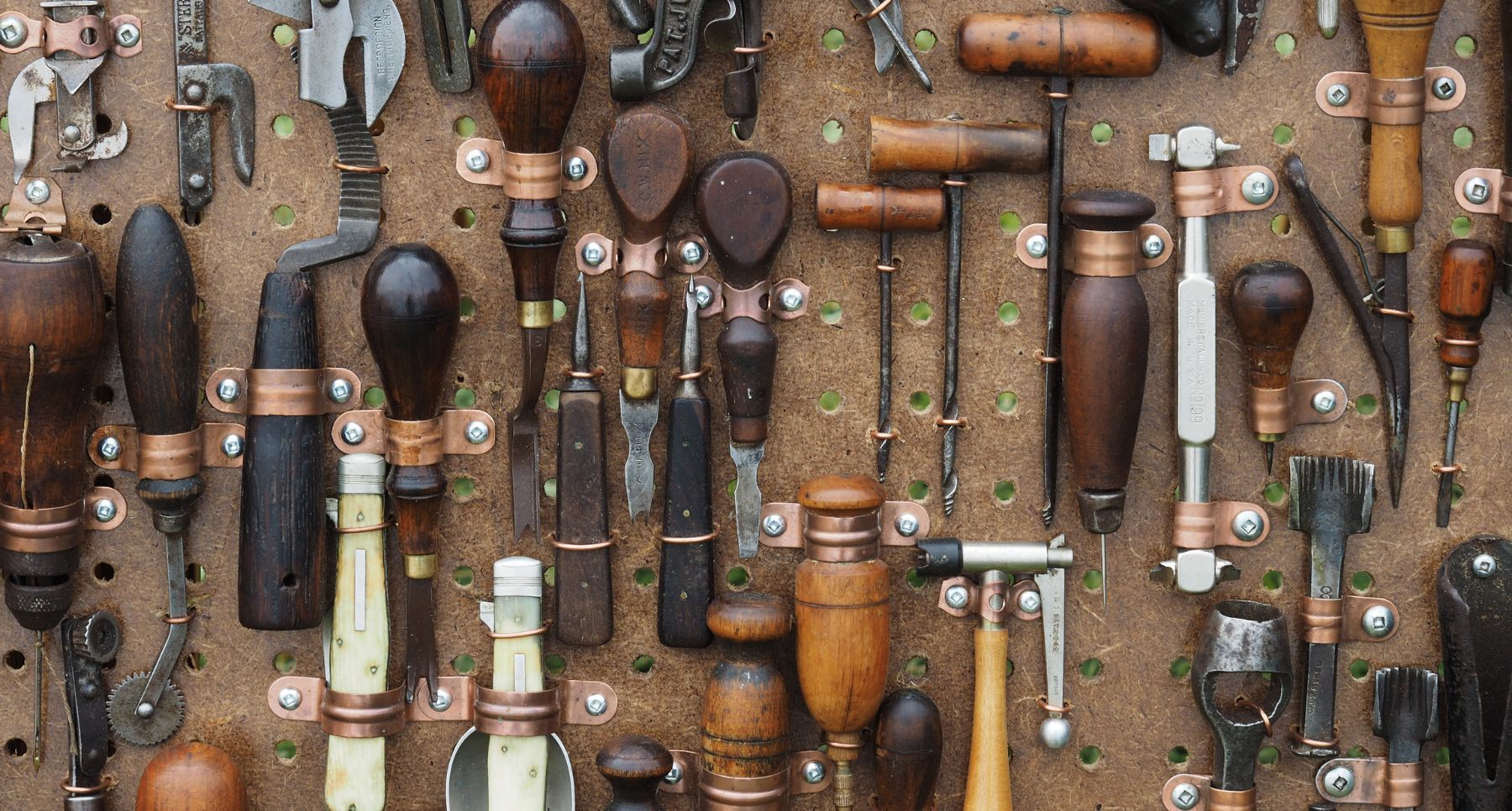
By the time you have sorted the house and set aside what you are keeping and what you are passing down to family, you are usually left with a group of things that sit somewhere in between: the dining set nobody has room for, a ring or a watch, the good china, your father's tools, a collection built over years. These still carry value, and the question that follows is what that value is and what to do with it.
There is no single answer, because a houseful of belongings is a mix of very different things, and each kind has its own path. Some are worth selling, some are worth giving away, and a few are worth having valued before you decide anything at all.
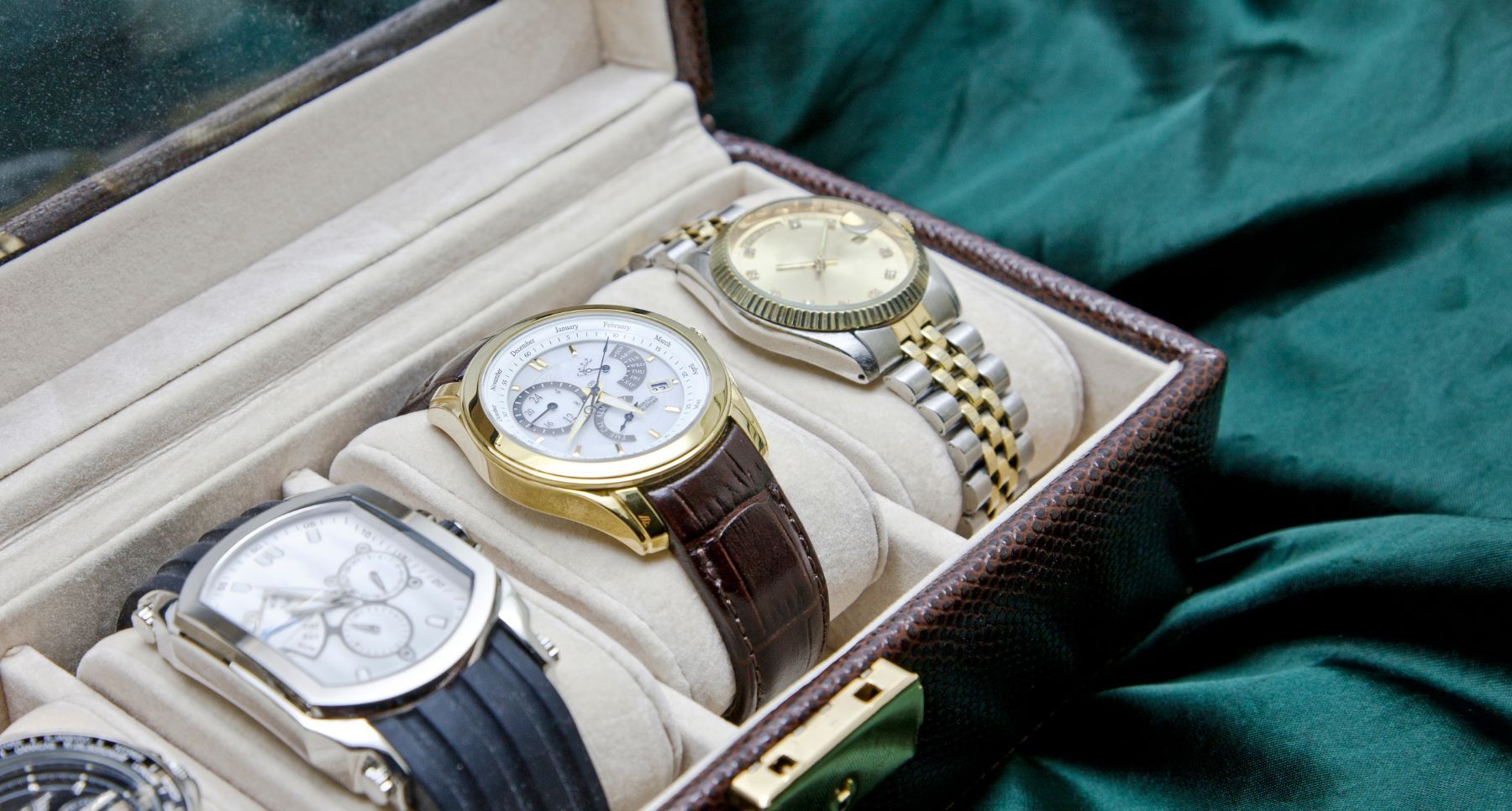
Start by knowing what a piece is worth
Before you sell or give away anything you suspect is truly valuable, it helps to know what it is worth. That is what an appraisal is for. An accredited personal-property appraiser can tell you the fair market value of a piece, meaning what a willing buyer would pay a willing seller today, which is often quite different from what it cost or what a family story says it is worth.
Where an appraisal earns its keep is on the few things where the value is unknown and genuinely matters: fine jewelry, art, antiques, an instrument, a serious collection. It also matters when heirs are dividing things and everyone wants the split to feel fair, or when you are insuring a piece you plan to keep. And in the case of donations, when a donated item or set is worth more than about $5,000, the IRS requires a formal "qualified appraisal" to support the deduction. A qualified appraiser will know which kind of appraisal fits which purpose.
Selling the pieces that have value
When something is worth selling, the path depends mostly on how much you are selling and how much individual attention each piece deserves.
For a handful of good individual pieces, quality furniture, jewelry, a designer item, an instrument, consignment is often the fit. You hand the piece to a shop or an online seller, they market and sell it for you, and they keep a share of the sale. The terms vary a great deal from one company to the next, so treat the arrangement like any agreement: before you leave anything, ask what percentage they keep, whether there are fees beyond that, how they set the asking price, how long they will hold the piece, and what happens if it does not sell. A good consignment shop will have no trouble putting it all in writing for you.
When you are clearing a whole house rather than placing a few standout pieces, the fuller-service options are an estate sale or an auction, which work differently and suit different situations. My post on how an estate sale and an auction compare walks through that choice in detail.

Donating, and what the deduction is worth
Donating is often the right home for the large middle of a house: the furniture, the housewares, the everyday things that are perfectly good but not worth the effort of selling. There is real value in that, both in how much lighter it makes the move and in the good the items do for someone who needs them.
There can also be a tax value, though it is usually a modest one. A charitable deduction is based on fair market value, which for used household goods is generally well below what you paid, and you can claim it only if you itemize. Larger or more valuable gifts come with paperwork, and the qualified appraisal mentioned above applies once a piece passes that threshold. The charitable rules changed for the 2026 tax year, so rather than guess at what you can claim, keep a simple list and a receipt from the charity for anything of note, and let your CPA size the deduction against this year's rules. Donate because it is the generous, low-effort path for the bulk of a house and treat any deduction as a bonus.
Matching the piece to the path
Put together, it comes down to matching each kind of household item to the route that it best fits. The genuinely valuable and distinctive pieces are worth having appraised first, then sold through consignment or auction where the right buyers are looking. The good, ordinary, usable things are usually best donated or sold as part of an estate sale when you are clearing the whole house at once. And the pieces that are more about memory than money belong in a category of their own, the keep-and-pass-down decisions that deserve their own unhurried time.
None of this must happen all at once, and you do not have to know the value of everything before you begin. A short list of the right people makes the whole thing lighter: an appraiser for the pieces whose value is worth pinning down, a consignment shop or an estate-sale company for what you are selling, and your CPA for anything with a tax question attached. Keeping the sale of the house in step with the clear-out is where I come in. I handle getting the house ready, priced, and sold, on your timeline. For the belongings, I can point you to appraisers, consignment shops, and estate-sale and auction companies I trust.
Letting go of the things that filled a home is tough. Each piece held a part of a life, and sending it on to someone who will use it, or to a cause that needs it, is its own quiet kind of good. It also clears the way for the next chapter with less to carry.
When you are ready to look at the whole move and not just the belongings, the complete guide to right-sizing in north metro Atlanta lays out the full picture from the first decision to the last.
I am here when you are ready. I hope when the time comes, you will give me the chance to earn your trust.Categories
Recent Posts