
Estate Sale or Auction? How to Sell the Valuable Things When You Right-Size
For Families Deciding What to Do With the Pieces That Still Have Worth
Once you have sorted a house and set aside the things worth selling, a new question shows up. How do you actually turn those pieces into money without giving them away? Most families default to a weekend estate sale because it is the only option they know. But it is not the only one, and for the items that carry real value, it is often not the best one. Here is how the two main paths work, and how to tell which one fits what you are selling.
What an Estate Sale Actually Is
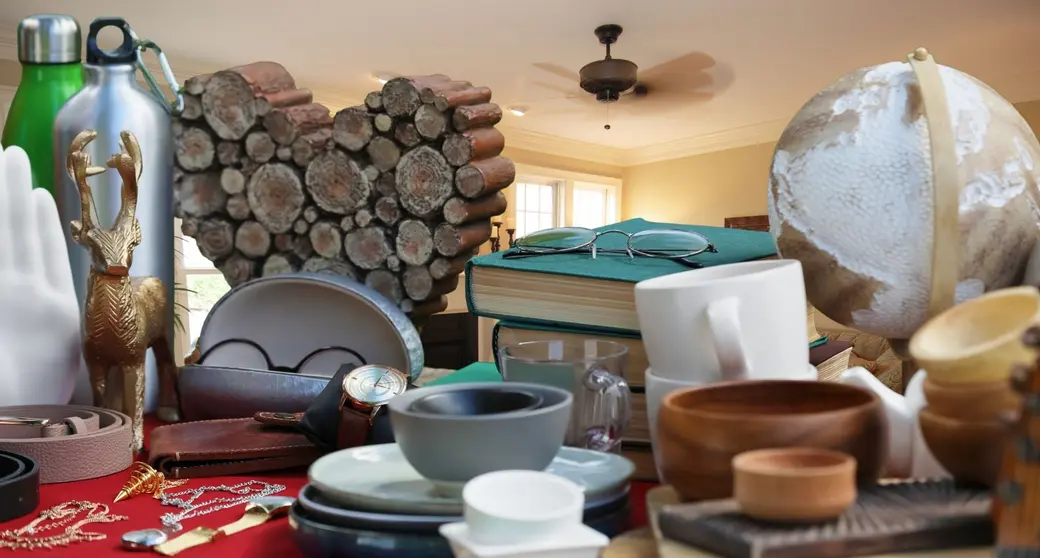
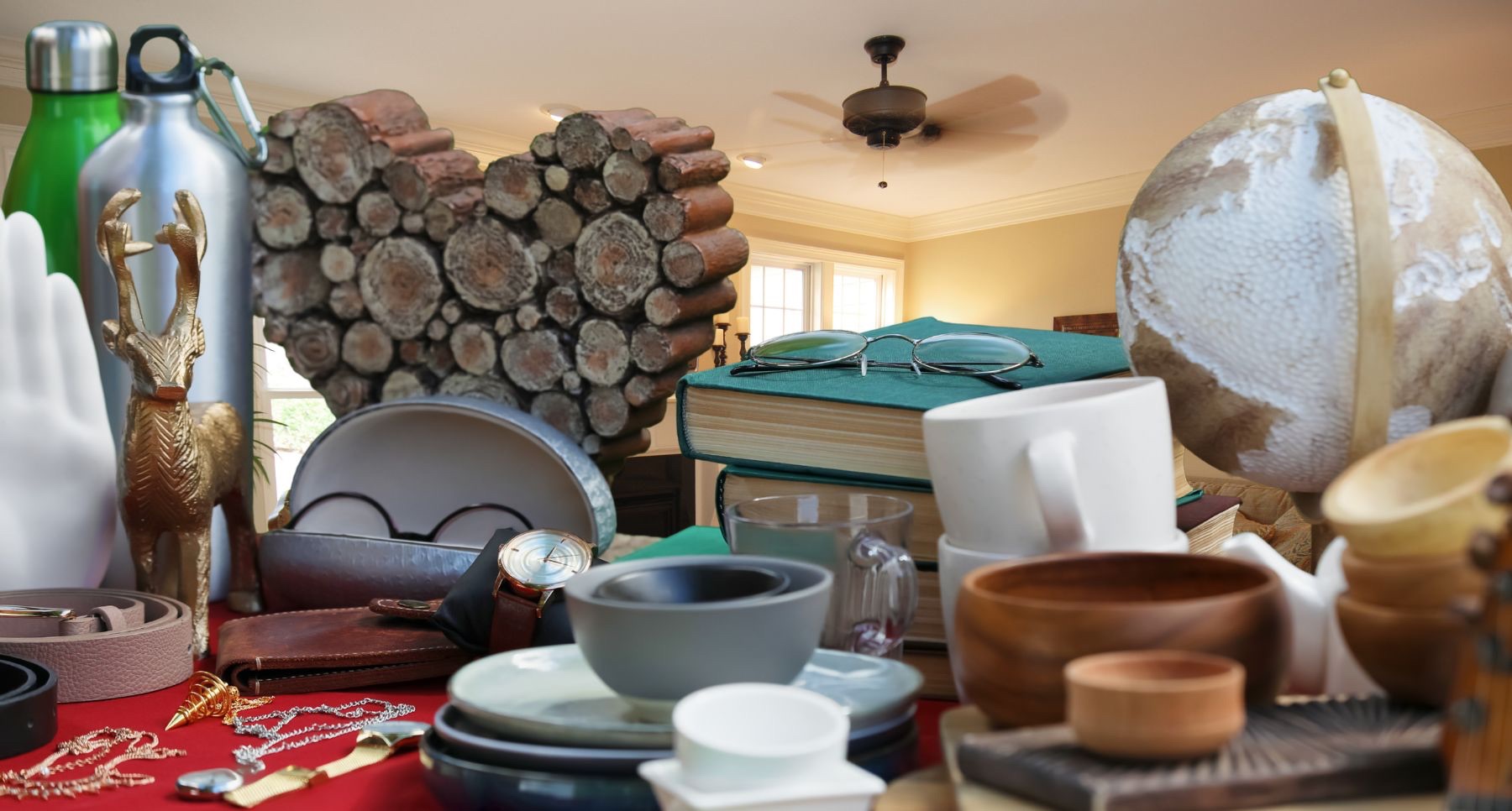
An estate sale is a multi-day event held inside the home. A company prices the items, sets up the house like a store, and opens the doors to the public over a weekend. Shoppers walk through, browse, and pay the marked price, which is often negotiable, especially as the sale winds down.
The strength of an estate sale is speed and volume. It moves a large amount of household goods in a short window, usually a single weekend, which is why it suits a full-house clear-out of everyday things. What it does not do is guarantee an empty house at the end. Some items will not sell, and where those go is a question worth settling in advance, which we will come back to.
The trade-off is the ceiling. Buyers at an on-site sale are whoever happens to live nearby and shows up that weekend, and prices are set to move things, not to find the one buyer who would pay the most. For everyday furniture and household goods, that is a fair deal. For a genuinely valuable piece, the right buyer may simply not be in the room.
How an Auction Is Different
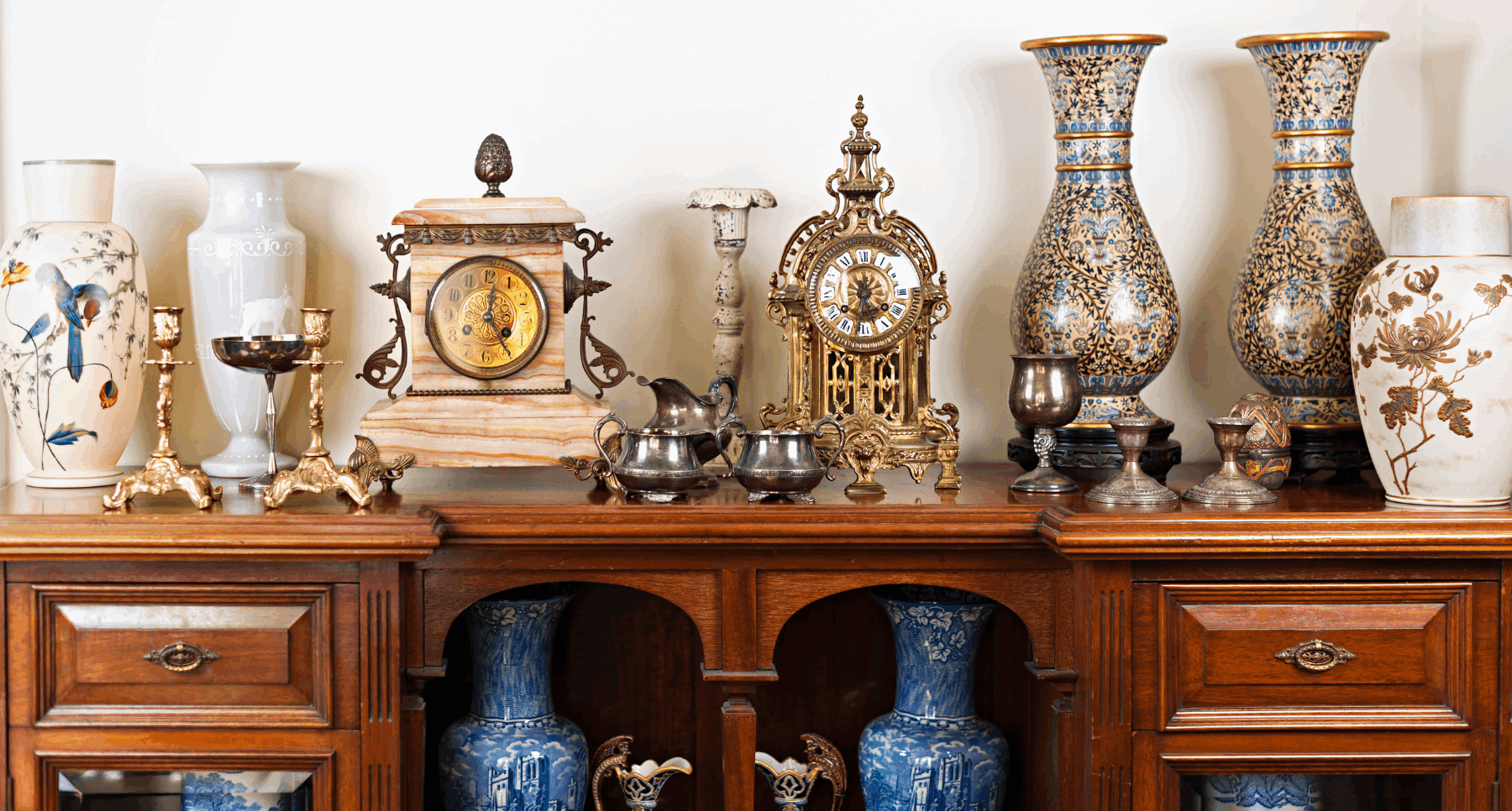
An auction works on competitive bidding. The company catalogs each item, markets it to buyers who are specifically looking for that kind of thing, and sells it as its own lot to the highest bidder. A lot of this now happens through online auction platforms, which widens the pool well beyond your zip code to bidders across the country who want that exact piece.
That wider reach is the real advantage. For higher-value furniture, collectibles, art, jewelry, and specialty items, competition among the right buyers is what pushes a price toward what the piece is truly worth. An estate sale hopes the right buyer walks in. An auction goes looking for them.
Auction is not automatically the bigger number, and it is fair to know that going in. It takes longer than a weekend, usually a stretch of weeks for cataloging and bidding. And not every auction house draws the same crowd, so a piece can undersell if the audience is thin. The honest rule of thumb is that auction tends to earn its place on the pieces with real value, while an estate sale suits a full-house clear-out of ordinary goods. You do not always have to choose. A good company will often auction the standout pieces and run an estate sale or clear-out for the rest.
Ask What Happens to Whatever Doesn't Sell
Not everything sells at an estate sale, and what happens to the leftovers is worth settling before you sign anything. Many companies will offer to buy the remaining items in one lump sum at the end. A buyout is fast and it clears the house, but it is priced for the company's convenience, not to get you top dollar, since they take on the work and the risk of reselling whatever they haul off. Sometimes that resale happens through the same online auctions that could have worked for you.
None of that makes a buyout wrong. It is often the right choice when the goal is a clean, empty house and the remaining items are ordinary goods. The point is simply to ask up front and get it in writing: what happens to what doesn't sell, whether a buyout is offered, and how they price it. For the genuinely valuable pieces, decide on purpose to sell them through auction or consignment rather than letting them get swept into a lump sum. Ask the question early, and there are no surprises at the end.
One Company for the Whole Job
The part many families do not realize is that they do not have to coordinate all of this themselves. There are companies that handle the entire transition under one roof. They sit down with you to make a plan, sort the whole house, separate what has genuine value from what does not, and then route each thing to where it sells best, whether that is an online auction for the standout pieces or a clear-out for everything else. Some are built specifically around senior moves and estate clear-outs, and they take the heaviest, most tiring part of the job off the family entirely.
I once helped a family connect with a company that works this way when a home needed a full clear-out. They handled the sorting, found the value in items the family had no interest in keeping, and the family was glad to have that weight lifted rather than facing it alone. If you reach that point and want that kind of help, reach out and I will point you to the right people for it.
Where I Fit
Selling what is inside the home is one job. Guiding you through selling the home and into what comes next is the work I care most about. A right-size usually goes best with a small team around you: a mover who knows how to handle a downsize, sometimes a professional organizer, a company like the one above for the belongings, and me for the house and the timing. My part is making sure the home is ready, priced right, and sold in a way that fits the rest of your plan, so everything moves in the right order and nothing gets rushed.
If you want the wider view of how a move like this comes together from the first decision to the closing table, start with my complete guide to right-sizing in north metro Atlanta. And if you have not sorted the house yet and that is the part standing in your way, my room-by-room plan for your next move walks you through the order that keeps it manageable.
There is no need to rush. Take the time to sell the valuable things the right way, hand off the heavy lifting to people who do it for a living, and keep your energy for the move itself and the next chapter waiting on the other side.
I am here when you are ready. I hope when the time comes, you will give me the chance to earn your trust.
Categories
Recent Posts