
Buying a Home With a VA Renovation Loan in Metro Atlanta
A Metro Atlanta REALTOR® on how a VA loan can cover both the purchase and the work, and what that means for the home search
A home with good bones and a list of updates is still a home a veteran can buy with a VA loan. The VA calls this option a loan for alteration and repair, and its own buyer's guide treats alteration, repair, renovation, and improvement as interchangeable words. It is often called a VA renovation loan. By any name, it lets a buyer finance the purchase and the work together, with the improvements completed after closing.
The VA's Lenders Handbook sets the basic rule in two parts. The VA may guarantee a loan for alteration and repair made in conjunction with a purchase loan, and the cost of the work may be included in that loan to the extent that its value supports the loan amount. This is why the appraised value of the finished home matters as much as the cost of the work.
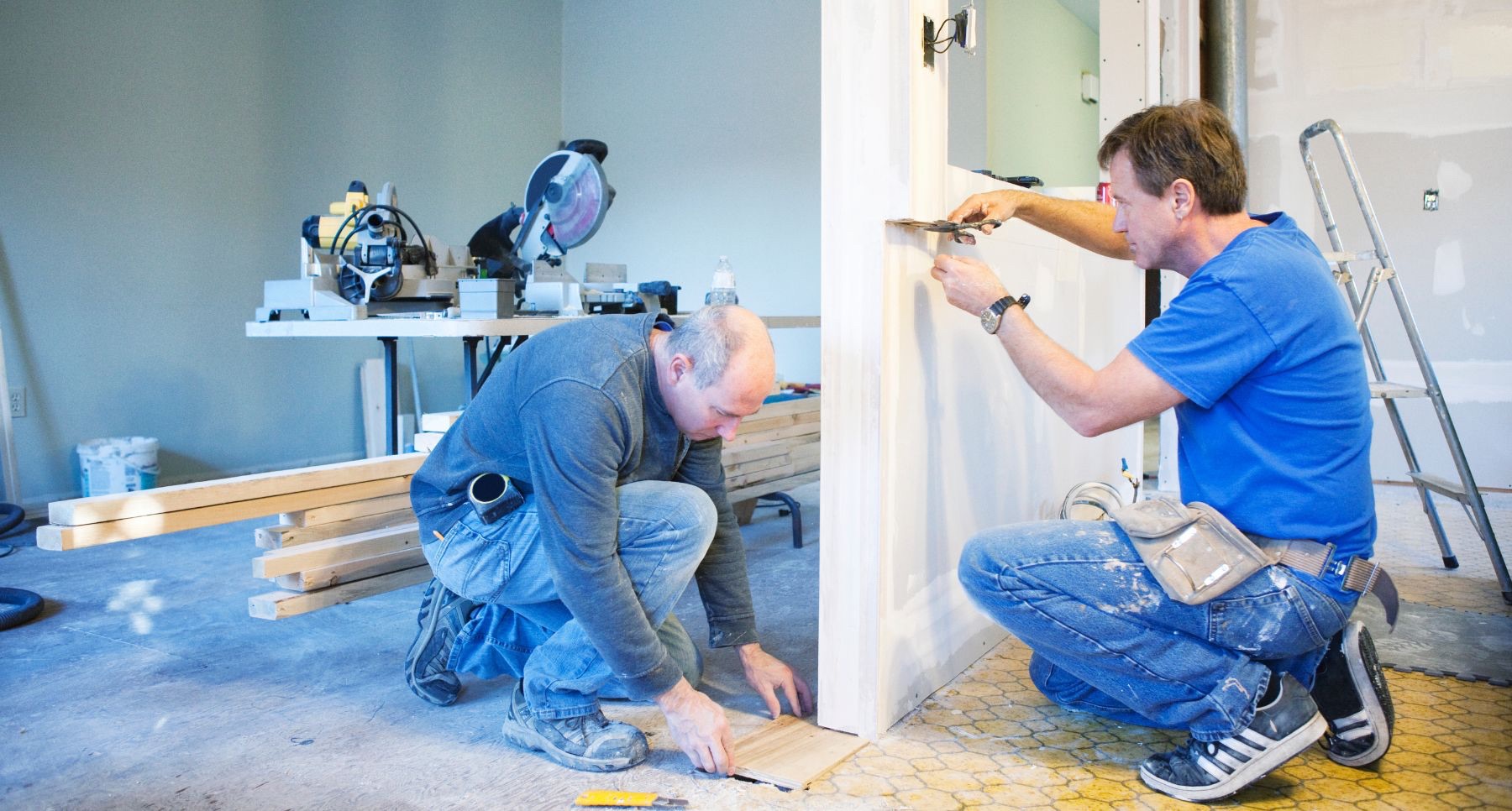
What the loan can cover
The VA describes the loan as a way to purchase a home that needs improvement, or to alter a home to the buyer's own preference. To qualify, the work must be what is ordinarily found on similar homes of comparable value in the community. The VA's examples of common work include the roof, foundation, floors, plumbing, electrical system, and heating and cooling system.
The alterations and repairs also must bring the home up to the VA's Minimum Property Requirements, the standards for safety, structural soundness, and health that every VA appraisal applies.
Planning the full cost of the project
The VA's buyer's guide recommends considering the full cost of renovating a home, including costs that grow as new issues are found. Its list includes permits, inspection and title costs, labor, structural work, debris removal, finance costs, and changes in scope. The guide also suggests asking an inspector or a structural engineer about recommended upgrades.
From contract to finished work
These steps follow the VA's guidance on how an alteration and repair loan moves from contract to completion:
- The buyer finds the home and writes an offer. The contract price covers the home as it stands, and the cost of the work becomes part of the loan plan.
- The VA appraiser values the home as it will stand when the work is finished. The VA calls this the as-completed value.
- The loan amount is limited to the lesser of the as-completed value and the total cost of the purchase and the work.
- The loan closes, and the work is completed after closing.
- The money for the work is paid to the contractor as the job progresses, and the lender needs the veteran's written approval for each payment.
- When the work is complete, an appraiser assigned by the VA completes a repair inspection if the Notice of Value (NOV) calls for one.
Choosing the contractor
Every contractor on the job needs a VA builder identification number, which comes through the VA's registration process for builders. The buyer chooses the contractor, but the lender may add requirements of its own, such as proof that the contractor is licensed, bonded, and insured.
When the plan changes
Upgrades and change orders requested after the appraisal cannot be added to the loan unless the appraisal is updated. A veteran can pay for them out of pocket, but the appraiser must approve each change order so the home does not lose value.
The energy efficiency option
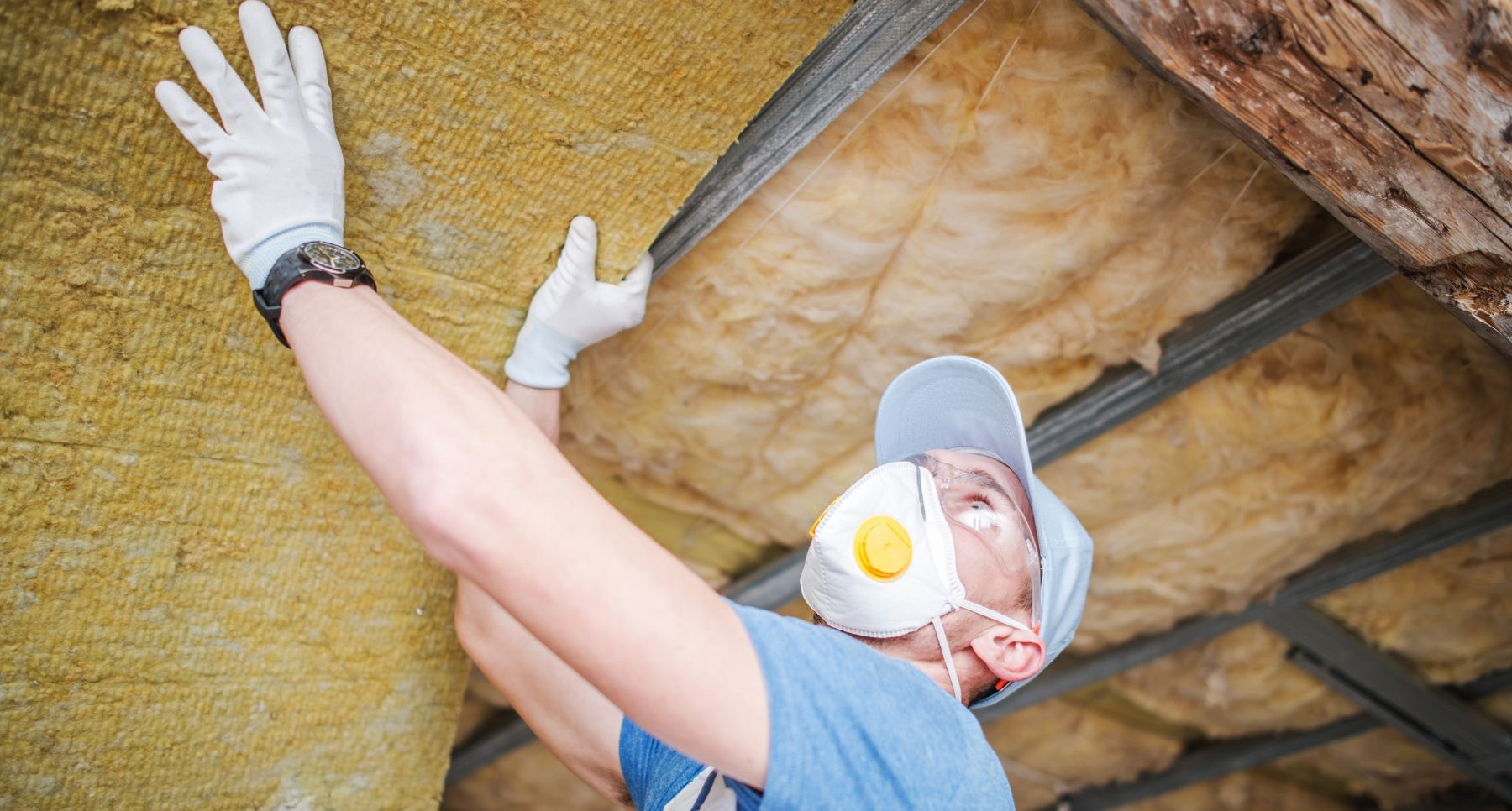
The VA also offers a separate Energy Efficient Mortgage (EEM) for energy improvements. It works alongside a VA purchase loan of an existing home and closes at the same time as the VA loan. The VA allows the mortgage to increase by up to $6,000 for these improvements, and the amount that applies depends on the cost and on the expected savings in utility costs. The VA's list of qualifying improvements includes new insulation, storm windows and doors, heat pumps, caulking and weather-stripping, and furnace efficiency work, among others.
Choosing a lender
The VA's buyer's guide notes that not every lender closes alteration and repair loans and that few have experience with them. A VA-approved lender who closes these loans can lay out the payment schedule for the work and the loan amount for a particular home.
Finding the home
In a standard VA purchase, the repairs an appraiser requires are completed, waived at the veteran's request, or escrowed for after closing, and a subject to repair note on a VA appraisal has its own walk-through. In an alteration and repair loan, the plan for the work is part of the appraisal, so one loan covers both the work the home needs and the changes the buyer wants.
My job is to help you find a home that fits both your budget and your plans for it, and to connect you with the contractors and other vendors the work calls for.
I am here when you are ready. I hope when the time comes, you will give me the chance to earn your trust.
Michelle Campbell | Campbell Group at Epique Realty | campbellgrouprealty.com
Categories
Recent Posts