
Stair Lift, Home Elevator, or Ramp: Options for Stairs and Entry Steps at Home


The Larger Changes That Help a Home Fit Your Current Needs
Deciding whether to stay in the home you have or move somewhere new goes better with an honest look at what the house asks of the people living in it. Some of that can be handled with small changes, like grab bars, better lighting, and lever-style door handles, which I cover in my post on what to know before you decide to stay. The larger changes are a different kind of project. Stair lifts, platform lifts, elevators, ramps, and a bedroom and bath on the main level all take more planning, more money, and more work on the house itself.
Start With the Layout, Then Look at the Options
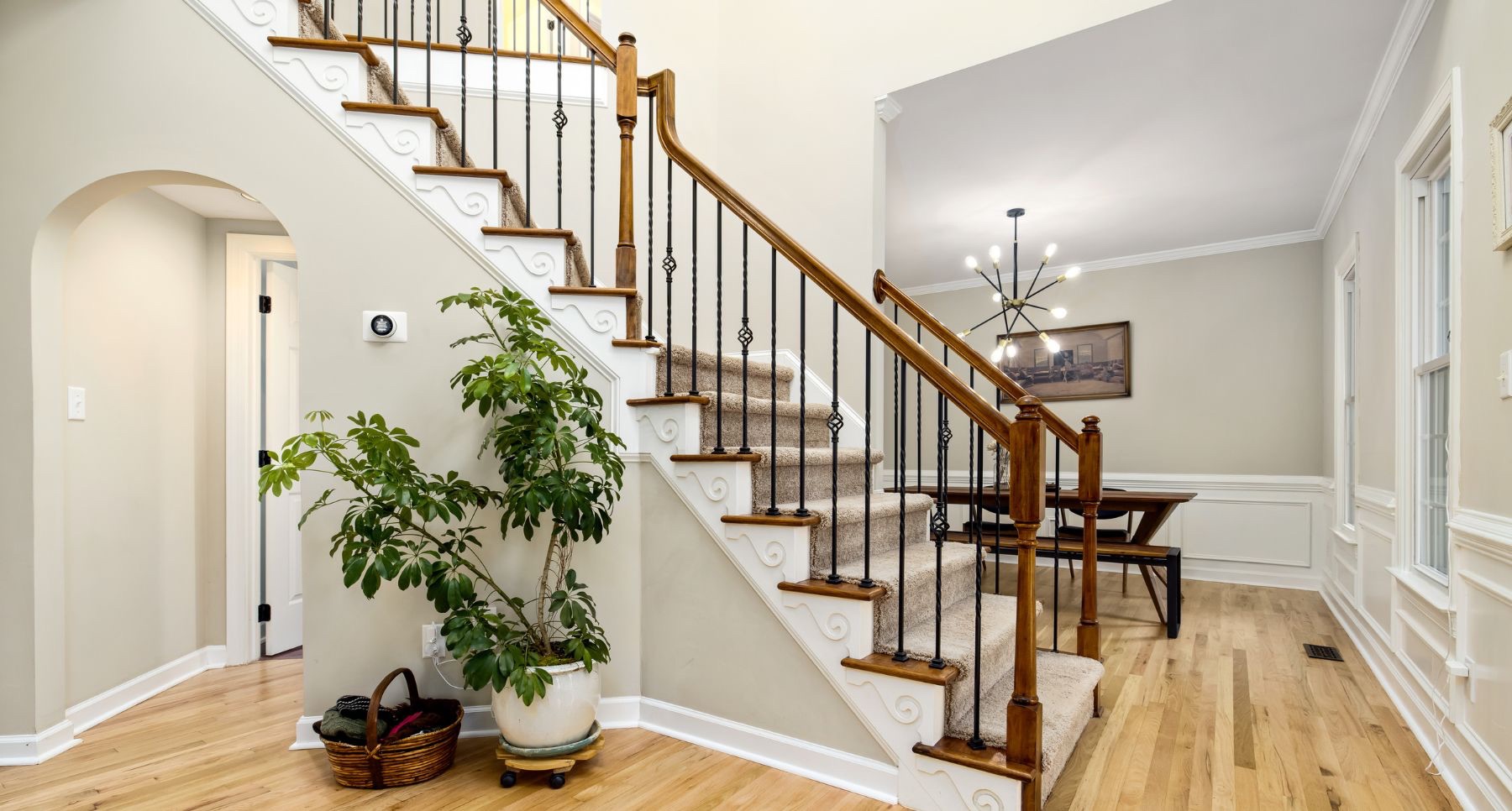
Before anyone looks at a stair lift, it helps to look at the staircase itself. A straight run, a landing, a turn, a few steps up to the front door: the layout of the house shapes which options will fit and what each one involves.
Options for Stairs Inside the House
A stair lift is a motorized chair that rides a rail along the staircase. The rail comes in three main forms: straight, for a single flight; curved, for stairs with a landing or a turn; and outdoor, built to handle weather. Straight rails are the simplest and generally the least expensive. Curved rails are made to bend around landings, which is why they cost more. NCOA's stair lift buying guide, published in December 2025, puts the overall range at roughly $2,500 to $15,000 for equipment and installation, and the final figure depends on the staircase, the features, and local labor rates.
There are a few things to consider when deciding if a stair lift is right for your situation. The rider needs to be able to get into the seat, fasten the belt, and work the controls. The wall studs or stair structure must support the rail, and an outlet needs to be within reach. Most reputable brands include a battery backup for power outages, and a new unit can last around ten years with regular service. Because the rail mounts to the staircase, a stair lift can generally be taken out once it has served its purpose.
A vertical platform lift is an open platform that carries a person, including someone using a wheelchair or scooter, straight up a short rise. It suits a change of a level or two, such as porch steps or an interior landing, and it needs a clear footprint of its own.
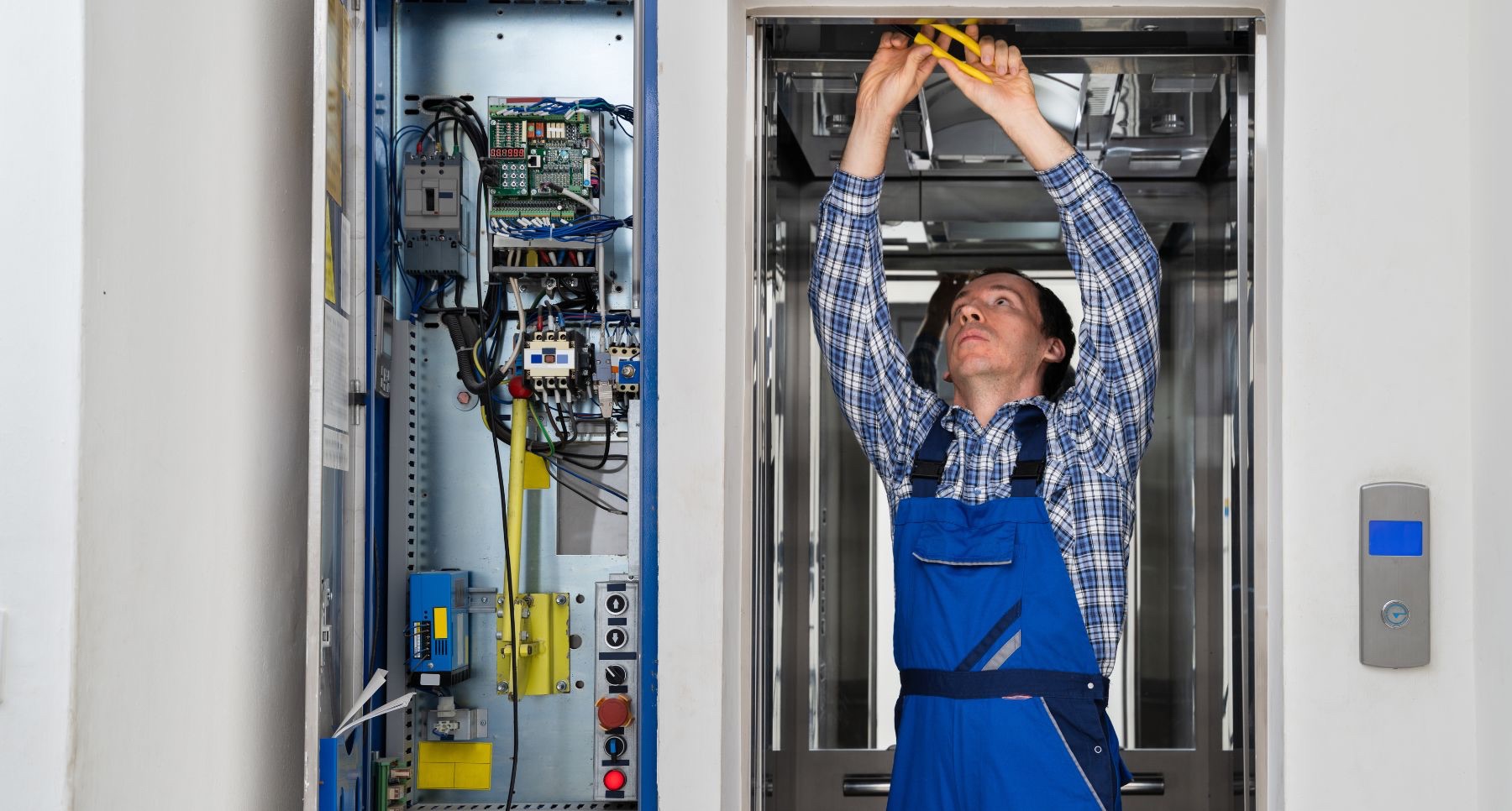
A home elevator is an enclosed cab that serves the floors of the house, and it is a larger project than a lift. Traditional hydraulic and traction models need a built hoistway, and often a pit, a machine room, or extra overhead space. Compact models, including shaftless (also called through-the-floor) and pneumatic types, need less construction, which has made adding an elevator to an existing house more practical than it once was. Shaftless models are generally built for two-story homes, and a pneumatic cab may not fit a larger power wheelchair.
Where an elevator can go depends on how the floors line up. A closet or a corner that sits above the same space downstairs is a common location, and an installer measures ceiling height and floor alignment before anything is ordered. Compact models can be installed in a matter of days, while traditional models take one to several weeks, and the work typically includes a dedicated electrical circuit. In a power outage, an elevator will generally stop or lower slowly to the bottom floor, so ask how a specific model behaves. Annual inspection and routine service are recommended. Cost is measured in tens of thousands of dollars, well above a stair lift.
Some houses need no equipment at all. Where the floor plan allows, adding or expanding a bedroom and full bathroom on the main level may be a way to avoid the stairs altogether.
Options for Steps at the Entry
Steps at the front door or garage entry are a separate question from the interior staircase, and the options differ. One option is a ramp, which needs room to run at a gentle slope, so the space around the entry matters, and some ramps are modular or temporary while others are built to stay. A step-free entry removes the change in height at the door completely. A platform lift, the same equipment described above, can also be installed at a porch or deck. It is worth looking at every entrance to the house, since the front door is not always the one that works best.
Things to Think About Before You Call Anyone
A few questions help narrow the choices:
- Who will use it, and can that person operate it comfortably every day?
- Does the layout fit? Staircase width, landings, and turns matter for a stair lift, floor alignment and ceiling height matter for an elevator, and the space around the home's entrance matters for a ramp.
- What does installation involve, and who looks after the equipment afterward? Ask about professional installation, warranty, and service plans.
- Which permits and inspections apply? Requirements vary by type of equipment and by location, so ask the installer what applies and whether they handle it. If the home is in an HOA, ask about exterior changes before building.
- What is the full cost? The equipment price is one piece. Electrical work, structural preparation, and permit fees can be additional.
Bringing the Right People Into the Plan
Planning goes more smoothly with a couple of professionals: a licensed contractor and a specialized equipment installer when a lift or an elevator is part of the plan. NCOA's guidance on hiring a contractor suggests getting at least three written estimates for the same scope of work, confirming license and insurance, and putting the budget, schedule, and payment terms in a written contract. A local Area Agency on Aging can point to programs that help with the cost of home modifications.
When Adapting and Moving Are Both Worth a Look
Some houses adapt with one change, such as a lift on a straight staircase. Others would need several: a lift, a change at the entry, and a bathroom on the main level. Once the list grows, it helps to set the adapted house next to a one-level home on the same terms. That means weighing the cost and disruption of the changes against the cost and effort of a move, and giving each side its fair due. Staying and adapting is a sound answer for a house that adapts well. For anyone who wants to compare staying with moving, one of my other posts looks at where one-level homes are found and what they cost in north metro Atlanta.
How I Can Help With the House and the Timing
If you are weighing whether to adapt the home you have or look at something else, I can help you think through what the house is worth, what a move could look like next to the changes, and how each fits your timeline. I can also connect you with contractors who can look at what your home needs. Adapting or moving is one decision I wrote about in the complete guide to right-sizing in north metro Atlanta.
I am here when you are ready. I hope when the time comes, you will give me the chance to earn your trust.
Categories
Recent Posts