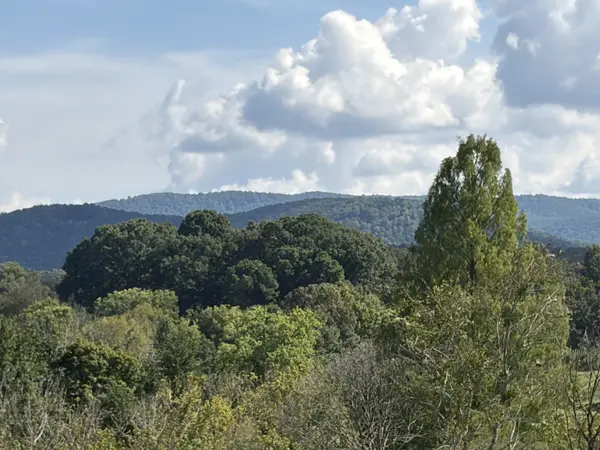

What Is Kudzu? The Vine You Will See All Over Metro Atlanta
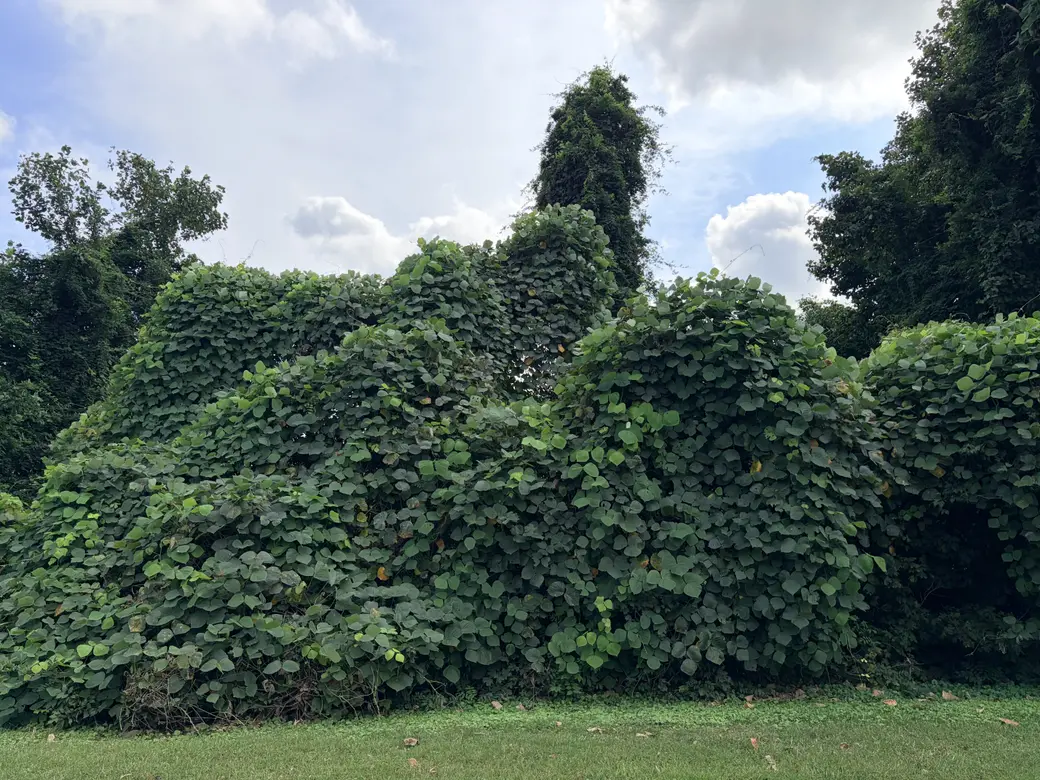
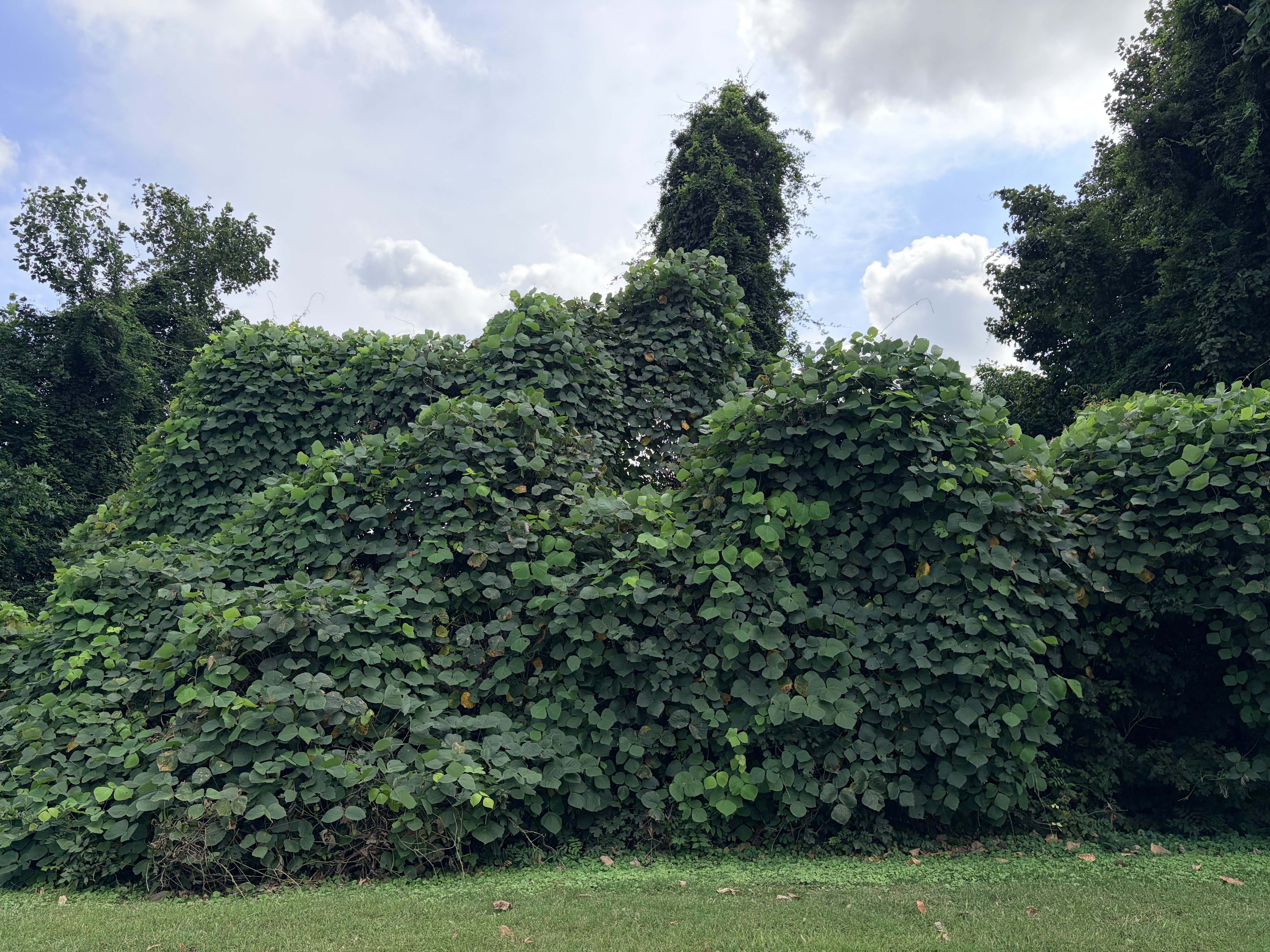
Years ago I had a friend visit from Connecticut. We were driving along the highway on a warm summer afternoon, and she pointed out the window at what she swore were the strangest trees she had ever seen. I laughed, because those were not trees at all. That was kudzu, a vine so thick and so green it can cover a tree from top to bottom and slowly choke it out underneath.
You Will See It Everywhere
If you are moving to metro Atlanta, kudzu is one of those things you will start noticing almost right away. It grows along the highways, across open fields, and sometimes right up to, and over, a fence line. It is not unique to Atlanta, either. Kudzu covers a huge stretch of the southeastern United States, and Georgia, Alabama, and Mississippi carry some of the heaviest growth of all. It is a strange contrast to Atlanta's reputation as one of the most heavily forested major cities in the country, since kudzu is one of the few things working against all that canopy.

How a Pretty Porch Vine Took Over the South
Kudzu's story starts in 1876, when it was introduced at the Centennial Exposition in Philadelphia as an ornamental plant prized for shading a porch. Southern gardeners liked it enough that it kept spreading as a decorative vine in the decades that followed.
Then, in the 1930s, the federal government started paying people to plant kudzu on hillsides and slopes to fight soil erosion, part of the same era that brought the Civilian Conservation Corps to the South. It seemed like a reasonable solution to a real problem, and millions of seedlings went into the ground.
The trouble started when many of those farms were abandoned during a wave of cotton crop failures. With nobody managing it, kudzu had the run of the place, and the warm, humid climate here let it grow almost unchecked. It picked up a nickname that stuck: the vine that ate the South.
How Fast Kudzu Grows
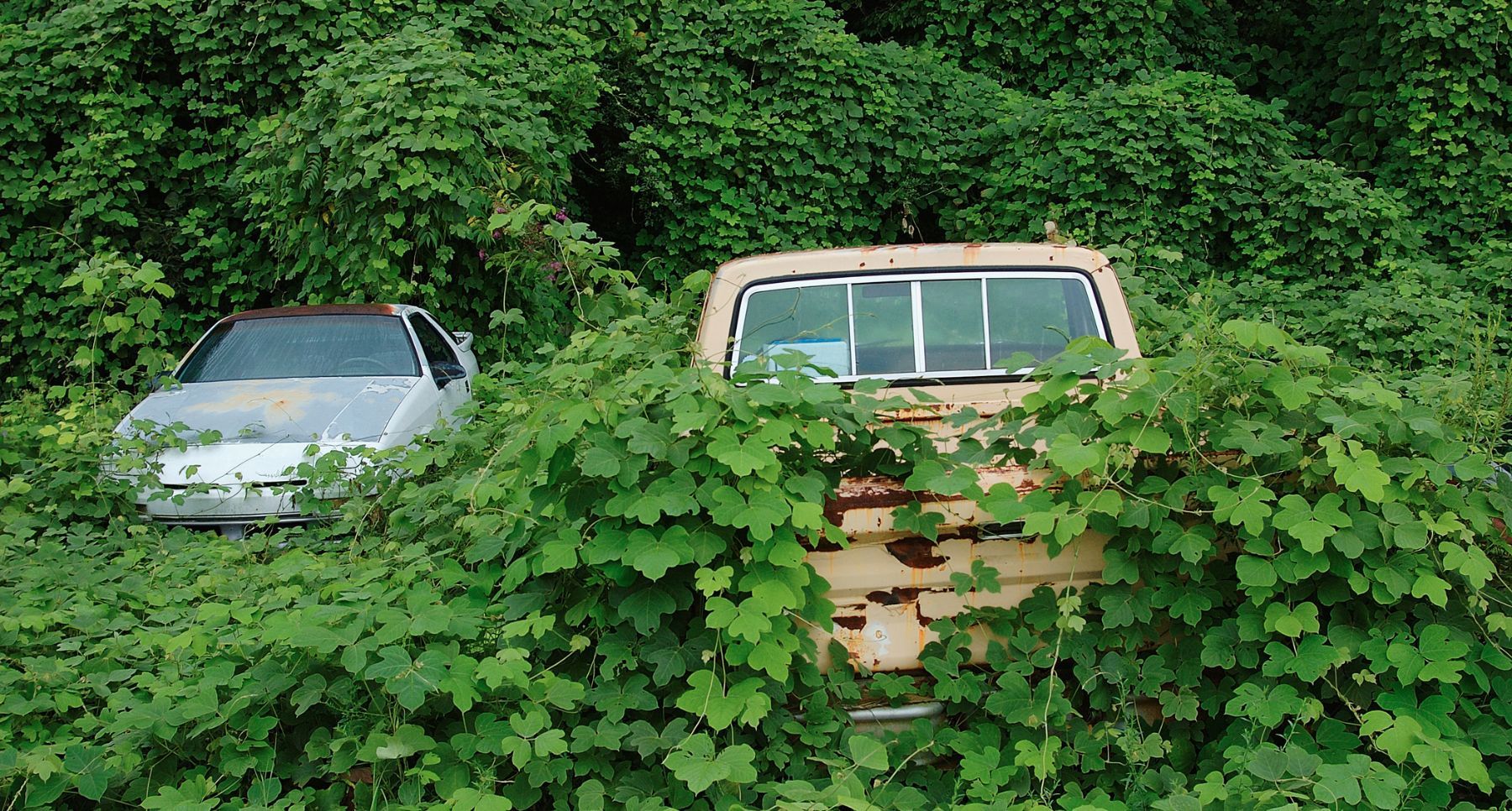
Kudzu can grow about a foot a day during the growing season. Left alone, it will climb, spread, and cover anything in its path, trees, fences, old cars, even abandoned buildings.
What This Means for Your Yard
Kudzu itself is not dangerous, but it is persistent. If it gets a foothold near your property line, it can climb fences and trees before you notice. It is worth keeping an eye on any patch that is creeping closer to your yard, especially if you back up to a wooded area or an open field.
Goats have become one of the more popular ways to clear it, since they graze the leaves and vines down to nothing. Because kudzu stores so much of its energy in its roots, it usually takes more than one grazing season before the plant runs out of reserves. Pulling vines by hand works too, and winter is often the easier time to do it, since the leaves die back and the vine structure becomes easier to see, and you're less likely to encounter a snake hiding out under the shady leaves.
You Can Eat It
Kudzu has one truly surprising twist. It is edible. The leaves can be cooked much like collard greens or spinach, the young shoots taste similar to snow peas, and the blossoms make a surprisingly good jelly. The roots are ground into a starch that has been used in cooking across Asia for generations, which is where kudzu originally comes from.
It is a strange kind of redemption story for a plant with such a destructive reputation.
One More Thing I'll Point Out
Kudzu isn't something to worry about, but it's the kind of detail I notice without even thinking about it anymore, right along with everything else that goes into finding the right home for you. And yes, I still think of my friend from Connecticut every single time I see a tall tree covered in kudzu.
Categories
Recent Posts