
The VA Seller Concession Rule: What the 4% Really Covers
A Metro Atlanta REALTOR® on how the same rule works in a veteran's favor whether you are a buyer or seller
If you are buying or selling a home in North Metro Atlanta and a VA loan is something you’re considering, there is one rule you should know before you sign anything. It comes up in almost every negotiation, and it is one of the more misunderstood parts of a VA transaction. People call it the 4% rule, or seller concessions. It sets a clear limit on what a seller can contribute beyond a buyer's ordinary closing costs, and that limit is worth understanding whether you are writing an offer or weighing one.
Closing costs and concessions are two different categories
A seller can agree to pay a VA buyer's loan-related closing costs, and there is no VA limit on how much the seller contributes toward those costs. These are title and appraisal fees, recording costs, and prepaid taxes and insurance that are customary in a transaction. A seller can cover all of it, and none of it counts against the 4%.
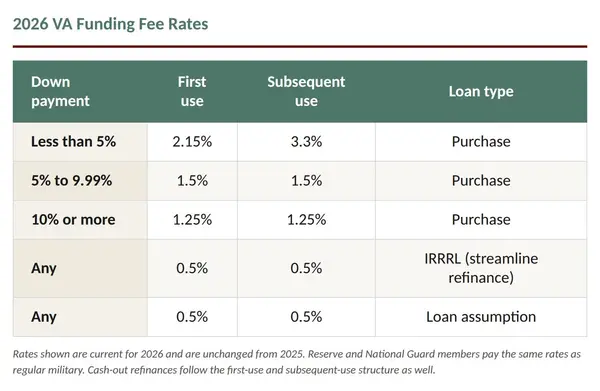
Concessions are a separate category, and this is where the cap applies. A concession is something of value the seller adds that would not customarily be expected. This distinction matters because that is what sets it apart from an ordinary cost of the sale. Concessions include a seller covering the VA funding fee, prepaid taxes and insurance beyond what is customary, paying off a buyer's debt such as a car loan or credit card, a temporary interest rate buydown, or gifts like appliances or a furniture allowance. The VA caps these seller contributions at 4% of the home's reasonable value, the figure that appears on the VA Notice of Value after the appraisal, not the contract price.
How any single item gets classified, and how it fits under the cap on a given file, is confirmed against the Notice of Value during the transaction. What buyers and sellers both benefit from knowing up front is simply that these items live in the capped bucket, and ordinary closing costs do not.
Understanding that there are two buckets, one with no limit and one capped at 4%, is most of what you need to negotiate with confidence.
Why the Notice of Value matters
Because the 4% is measured against the appraised value rather than the contract price, the cap can shift once the appraisal comes back. If a home goes under contract at a certain price and the Notice of Value lands a little lower, the concession ceiling moves with it. That is worth keeping an eye on so the concession terms hold together all the way to closing.
How VA compares
VA's 4% concession allowance sits right in line with other loan types. Conventional loans typically allow sellers to contribute in the low single digits toward concessions, and FHA loans generally allow somewhat more. The VA rule is neither unusually generous nor unusually tight. It is simply a defined, predictable ceiling, which is exactly what makes it easy to plan around.
What this means if you are buying
Concessions are negotiating room. In the right market, a seller who wants to get to closing can cover costs and fund extras that ease your path into the home, all within a clear limit. A veteran writing a VA offer is using a well-defined feature of the loan the same way any other buyer uses the tools available to them.
What this means if you are selling
If you have a home on the market in Metro Atlanta and a VA buyer writes a strong offer, concessions can be part of what gets the deal done, and they work in your favor more often than sellers expect. A concession is not a price cut. It is a known number that comes out of your proceeds, so you can weigh it against your net before you ever agree to it. You decide whether covering a buyer's funding fee or a portion of their costs is worth it to move your home toward closing the same way you would weigh any term of an offer. Used well, it is a way to bring a motivated, well-qualified buyer to the table on terms you have already run the math on.
The bottom line
The 4% rule is not a hurdle. For a veteran buyer, it is flexibility with a clear ceiling. For a seller, it is a known quantity you can weigh against your net and use to move a deal forward. Understood on both sides, it is one of the more useful tools in a VA transaction, and knowing how it works before you are at the negotiating table is where the advantage comes from.
Michelle Campbell | Campbell Group at Epique Realty | campbellgrouprealty.com
Categories
Recent Posts